




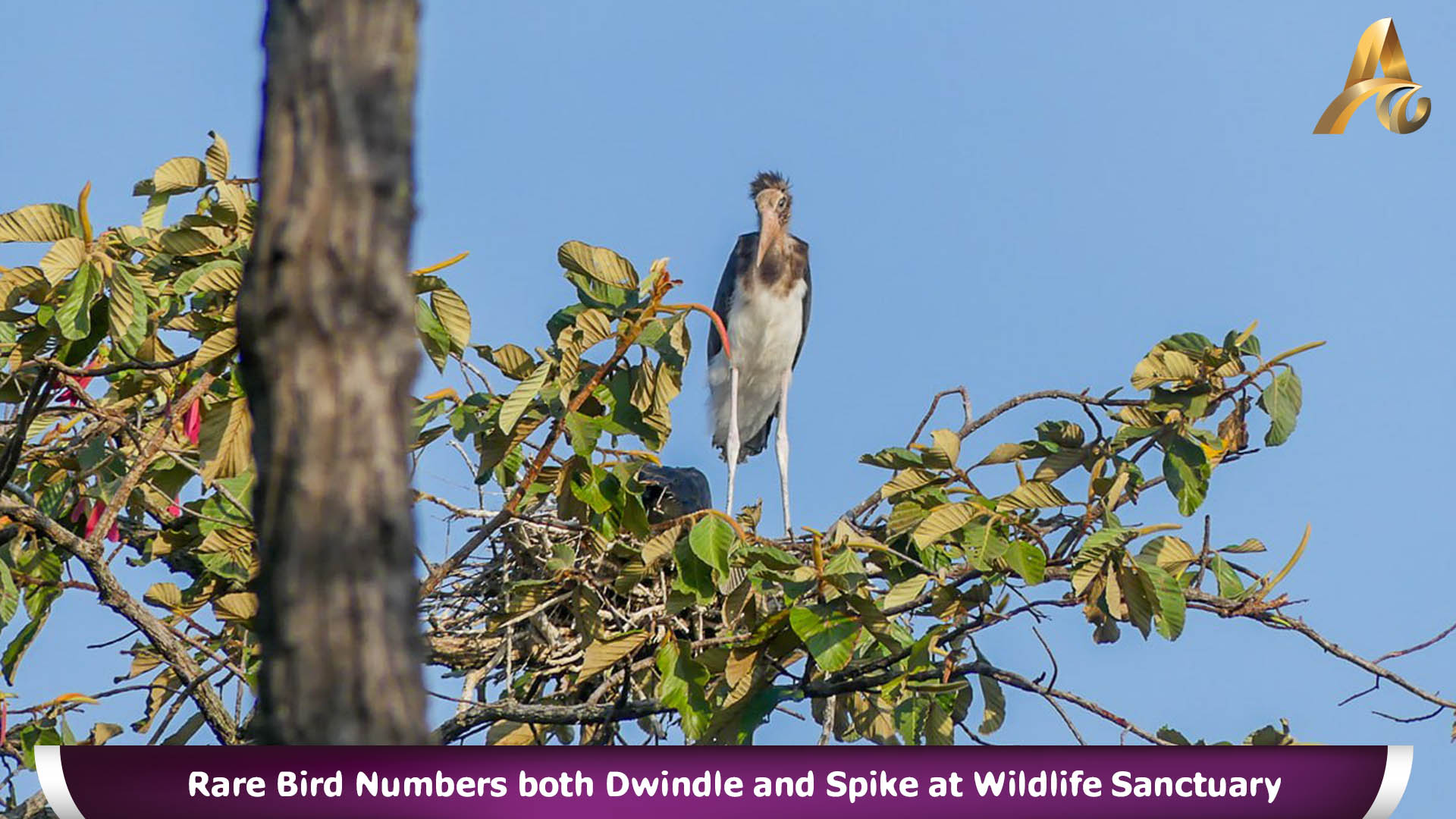








MONDULKIRI: Keo Seima Wildlife Sanctuary (KSWS), located in Mondulkiri and Kratie Provinces, is home to the highest number of species recorded in any protected area in Cambodia. Many of the rare species are water and wading birds which are often on the critically endangered list. To conserve these incredibly rare birds, USAID Morodok Baitang partnered with the Wildlife Conservation Society of Cambodia to establish an endangered bird nest protection program in KSWS.
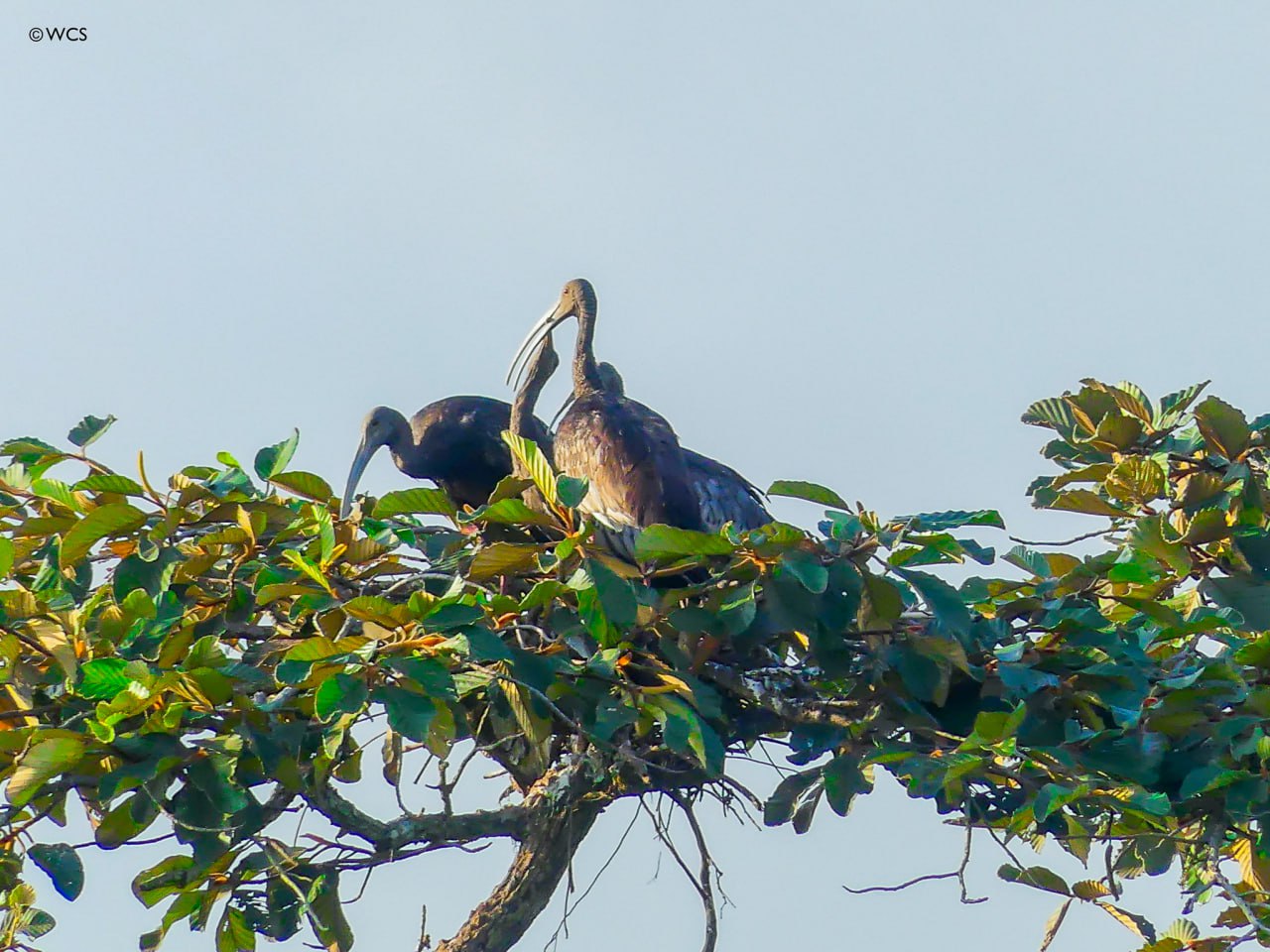
A small population of Cambodia’s national bird, the Giant Ibis, is found within its forests and despite the bird nest protection program, conservationists found only one nest this year, with two chicks successfully fledged. Last year only two nests were found and three chicks fledged.
Better news can be seen when looking at the lesser adjutant, a species of wading bird in the stork family. This year, 40 Lesser Adjutant nests were discovered and protected, showing a significant increase from the 27 nests documented in 2022.
The Giant Ibis is the largest of its species. Having once been found throughout Southeast Asia, its population is now in the lower hundreds as its habitats are destroyed by drainage of wetlands and clear-cutting of forest for rubber, cassava, wood pulp and teak plantations.